In today’s digital landscape, safeguarding your business’s online presence is no longer optional – it’s essential. With cyber threats becoming increasingly sophisticated, ensuring the security of your domain and hosting services can make or break your business. From robust domain registrar security measures to hosting environment checks, there are numerous steps you can take to protect your online assets.
Our checklist is designed to guide business owners through the critical aspects of digital security, covering everything from SSL certificates to social media protocols. Read on to discover how you can fortify your business against cyber threats and why you should schedule a complimentary security check up to ensure your digital assets remain secure.
Website security essentials
Domain registrar best practices
Your online presence starts with registering your domain through a reliable provider that has good security practices. Using strong passwords and two-factor authentication helps keep your domain account safe from unauthorised access. Turning on domain locks and managing renewals, either automatically or with reminders, makes sure your domain doesn’t accidentally expire or get hijacked. Staying on top of these helps you keep control of your website and digital identity.
SSL certificate management
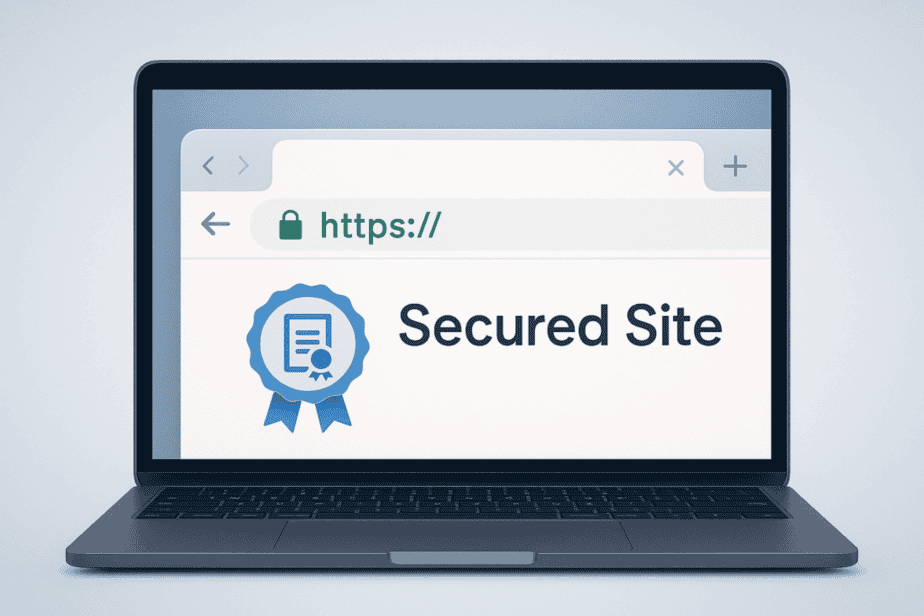
SSL/TLS encryption is essential for protecting your website’s data, especially if you’re collecting customer information. Be sure it’s enabled on all your domains, not just the main one. Choosing a trusted, paid SSL certificate provider adds extra reliability and support for your business.
To prevent browser warnings and maintain visitor trust, set up automatic renewals or reminders to keep certificates up to date. It’s also a good idea to regularly check all your pages and subdomains with online SSL tools to ensure everything stays properly secured.
Website hosting protection
Maintaining a secure hosting environment is essential for protecting your business online. Regular updates and using the latest software help address vulnerabilities that could be targeted by attackers. Reliable backups ensure your data is safe and can be quickly restored if needed. By carefully managing access and monitoring for any unusual activity, you can prevent unauthorised changes and respond promptly to potential threats. These practices help keep your website stable and safeguard your business from costly disruptions.
Website CMS management
Keeping your website’s Content Management System (CMS) up to date is one of the easiest ways to protect your business online. Updating your CMS, plugins and themes regularly helps patch security holes, while using strong passwords and two-factor authentication adds an extra layer of protection. It’s also important to manage who has access, back up your content offsite, and keep an eye out for any changes you didn’t make. Staying on top of these things means fewer headaches down the track and helps keep your site safe, stable and running smoothly.
Schedule your free security check with us today
Have you covered the basics of website security?
Connect with us for a free checkup to make sure your foundation is secure and nothing slips through the cracks. We’ll assess your domain, SSL, hosting and CMS to find any gaps and provide simple steps to protect your site from potential risks.
Protecting your social accounts
Account access and permissions
Controlling access to your business’s social media accounts is key to maintaining security and protecting your brand. Use two-factor authentication, strong passwords and limit access to verified business email addresses. Regularly review user roles, remove access for former team members and follow clear protocols for onboarding and offboarding. These simple steps help prevent unauthorised activity, support efficient collaboration and keep your accounts secure.
Monitoring, publishing and data protection
Effective social media management involves more than just posting content. It requires clear controls, active monitoring and a strong focus on protecting your brand and data. Set guidelines for scheduling and approving posts to keep things consistent and reduce mistakes. Use monitoring tools and alerts to catch unusual logins or suspicious activity, and have a plan ready for account takeovers or unauthorised posts. Avoid sharing confidential information and be cautious with links in comments or messages. With formal policies and the right tools, your business can stay secure, respond quickly to issues and maintain a trusted online presence.
SEO and analytics security
Keeping your SEO and analytics accounts secure and well-maintained helps protect your data and ensures you’re making decisions based on accurate insights. Using strong passwords, two-factor authentication, and reviewing user access regularly keeps your accounts safe. It’s also important to monitor backlinks to avoid harm from spammy sites, and to back up and audit your analytics data so you can quickly spot anything unusual. Staying on top of this not only helps protect your digital assets but also means you can trust the data you’re using to grow your business.
What happens if I don’t act?
Ignoring your business’s digital security opens the door to serious risks. Without regular audits and proactive steps, you’re more likely to face data breaches, account takeovers, loss of customer trust and unexpected downtime. Fixing a security issue after it happens often costs much more, both financially and in terms of your reputation. Taking the time to secure your systems now helps protect your business, your customers and your peace of mind.
Book a complimentary security check
Not sure where your business stands? Let us help.
At Marketigation, we’re offering a free security check to help you identify risks and take proactive steps to secure your online presence.